
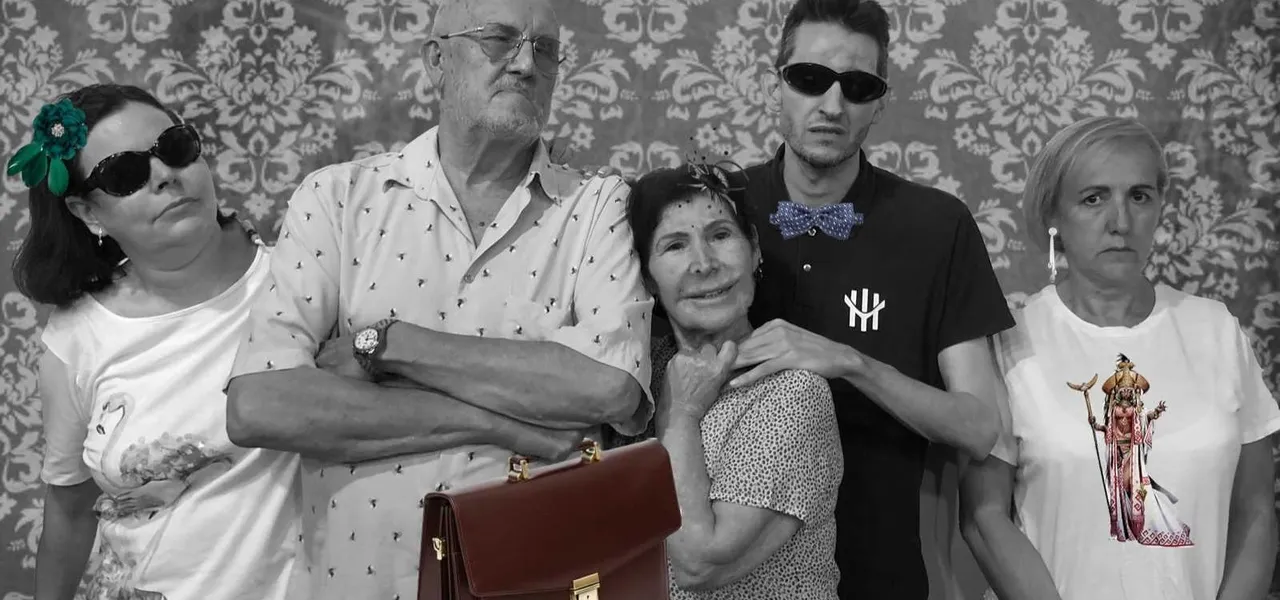
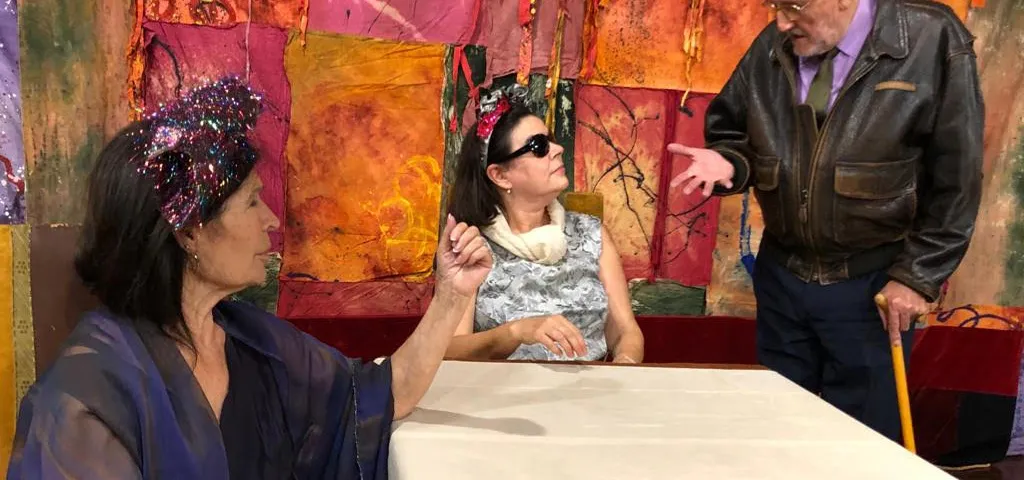
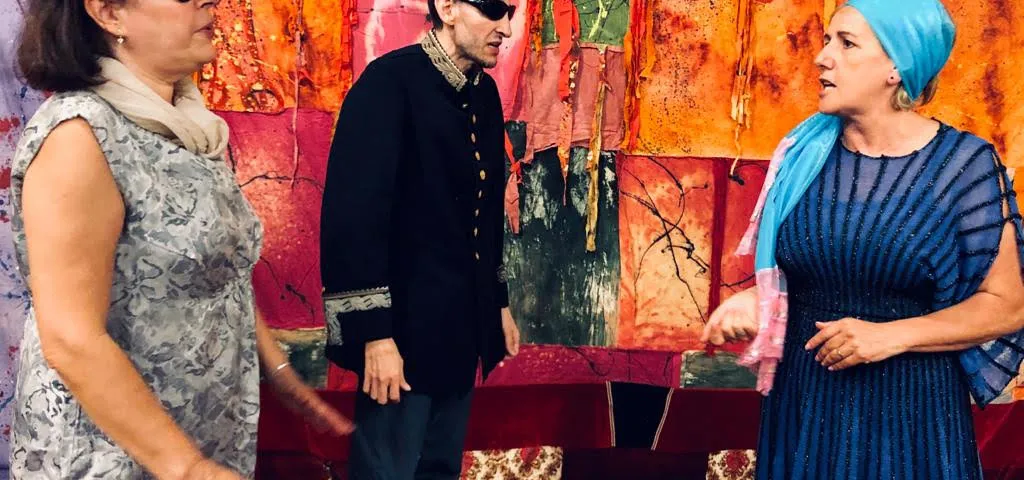
The approach of this play is that of a clear denunciation of the bourgeoisie meanness and the logical reaction of the working class to it. Juana is Casandra, the character that provides the title to the play. She is the daughter of Hecuba, who foresees the future. She is a child whom no one in her bourgeois family understands and she feels lost in it. She has a supernatural capacity to stand above the rest of the characters, to tell truths that they either ignore or refuse to believe.
The author gives psychological scaffolding to the main characters: the father, mean and a fascist without a soul; Juana, the daughter, stands as the loudspeaker for a terrible oncoming reality and Gertrudis, the mother, representing the awkwardness of the bourgeois ignorance of what is coming.
The historical setting of the dramatized events clearly resembles that of the Spanish Civil war. José Monleón, the literary critic, wrote about the play in the Primero Acto magazine stating that “it is drama from the Spanish Civil War written by a Catalan woman exiled in Mexico”.
Autoria
María Luisa Algarra
Direcció
Bernat Pujol, Mateu Fiol
Intèrprets
Joan Moreno, Cati Garcia, Mariló Rivero, Carles Juvert, Mari Carmen Sánchez, Maria Llobera, Manolo Serrano, Santi Muñoz, León López, Antònia Burguera, Zulima Manzaneque, Moisés Córdoba, Jesús Romero, Mateu Segura, Maria Bel Sureda, Pilar Redondo, María Ángeles Cutillas, Toni Sorà, Maria Antònia Pascual, Catalina Cañellas
Escenografia i dibuixos
Bernat Pujol i Matthew Taylor
Il·luminació
Mateu Fiol
Vestuari
Bernat Pujol, Rafel Pizarro