
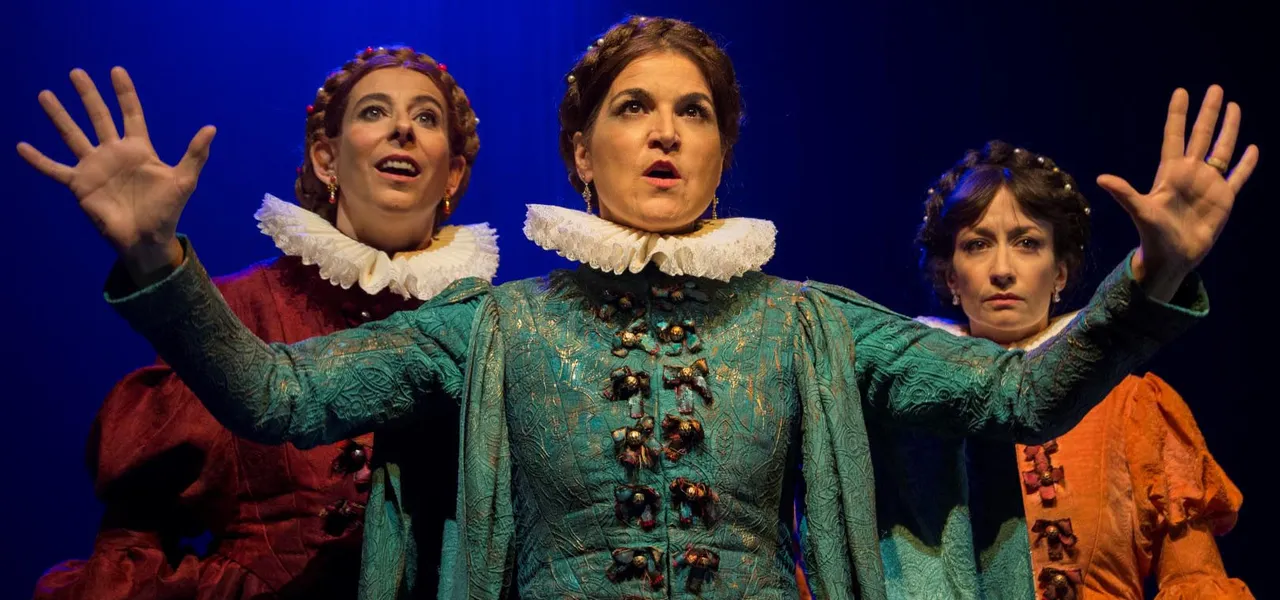
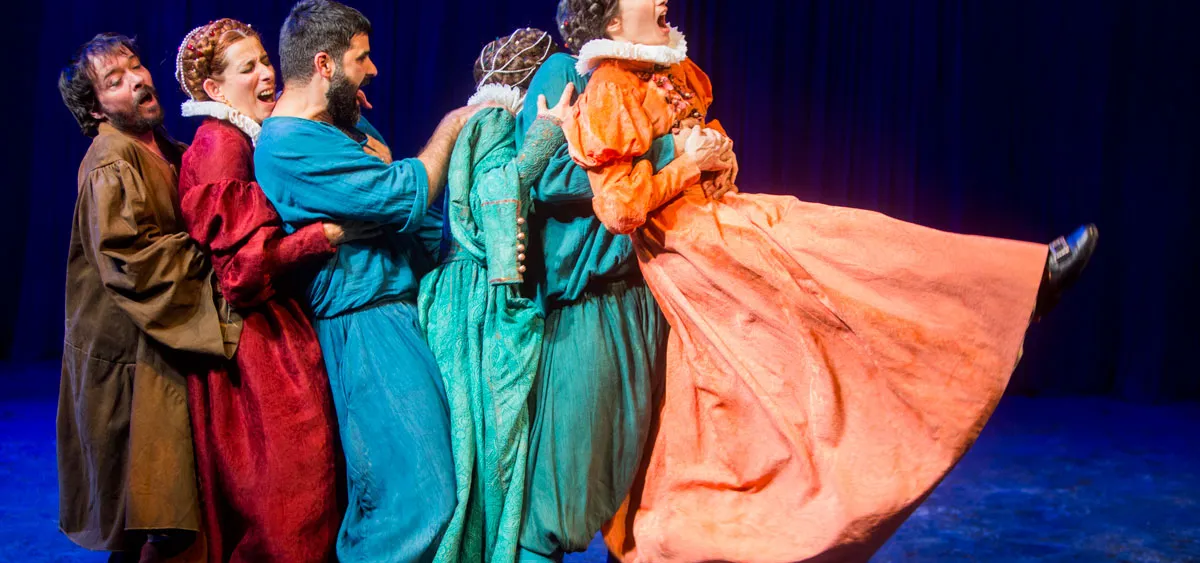
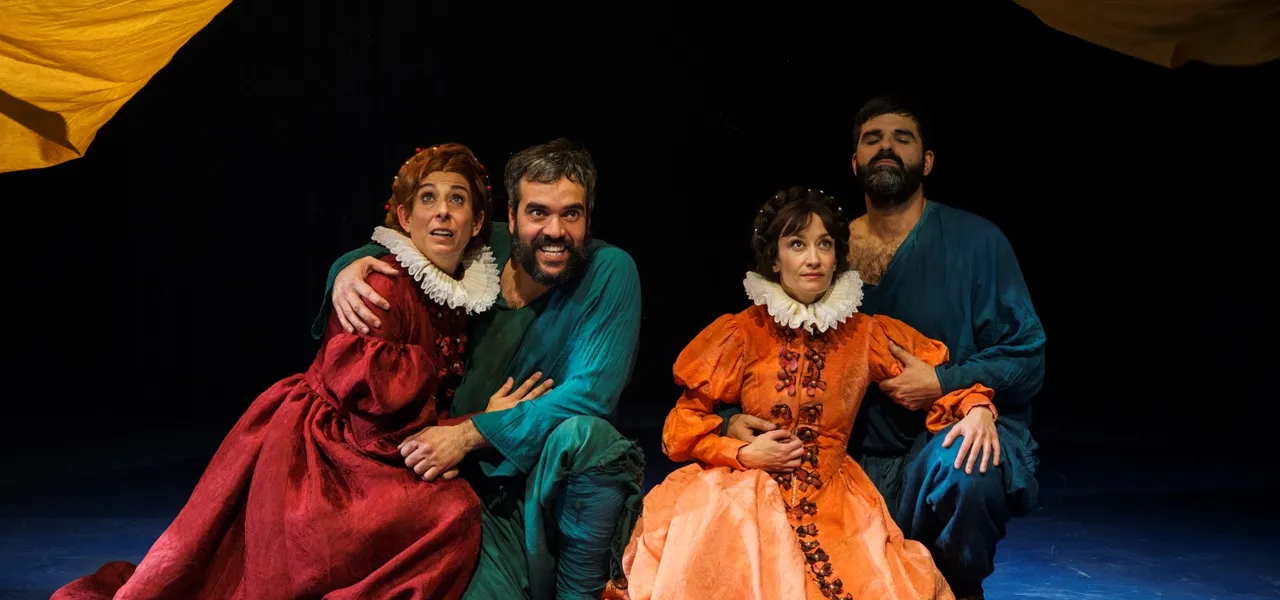
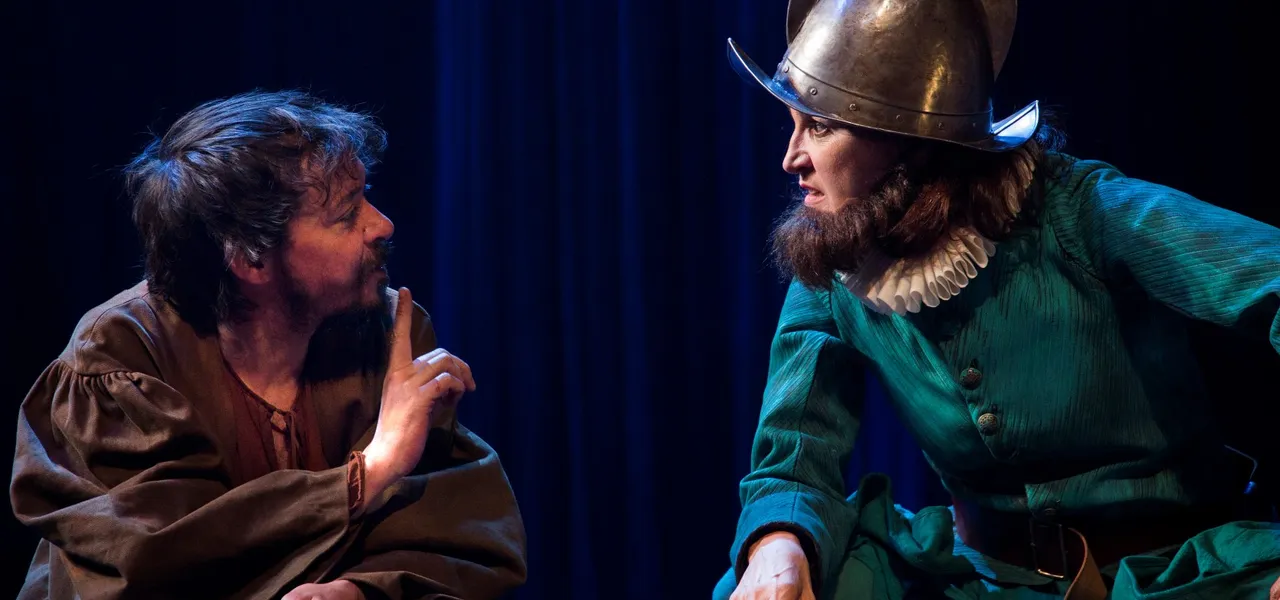
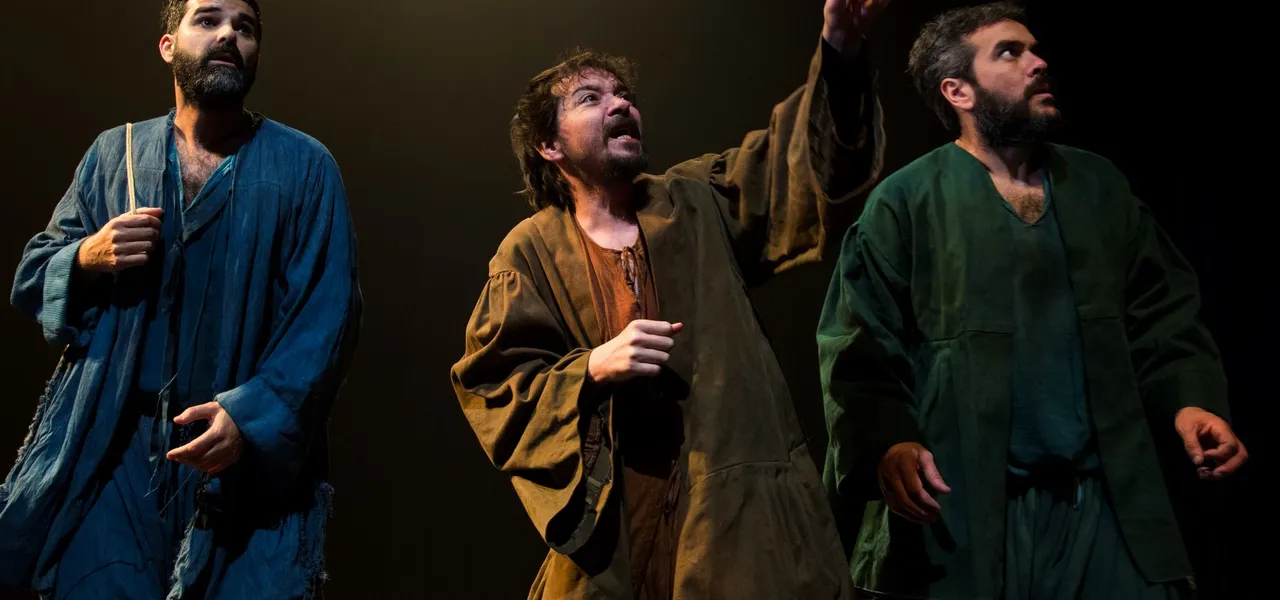
He demonstrated it in La Respiración (Respiration) last season, the Spanish playwright and director Alfredo Sanzol has returned dignity to comedy written in Spanish. Now he has returned to the stage to dazzle us with this Elizabethan piece about woodcutters and princesses, that is brilliantly and ingeniously brimming with humour and talent. Freshness, humane characters and smart stage architecture at the service of a hilarious story that takes inspiration from the best of Shakespeare with clear references to The Tempest, About Nothing and Twelfth Night. From one of the best contemporary playwrights, the winner of the National Prize for Theatre Writing and a Max Prize, this romantic comedy tells the story of a (somewhat) magical queen who hates men because they have always conditioned her life and taken away her freedom, and her two daughters. The three of them end up on a desert island where they hope to not ever see another man in their lives, but have the bad luck to discover that a woodcutter lives on the island with his two sons, having fled there in order to never see another woman in their lives. This is where the adventures, entanglements, spells, deceptions, love affairs and confusions begin. Magical beings, impossible situations and possible loves.
Script and direction
Alfredo Sanzol
Scenography and Custom Designer
Alejandro Andújar
Lighting
Pedro Yagüe
Music
Fernando Velázquez
Director Assistance
Beatriz Jaén
Scenography and costume assistant
Almudena Bautista
Executive production
Jair Souza-Ferreira
production assistant
Elisa Fernández, Sara Brogueras
production direction
Miguel Cuerdo
Distribution
Fran Ávila
Fotographer
Luis Castilla, María Artiaga